
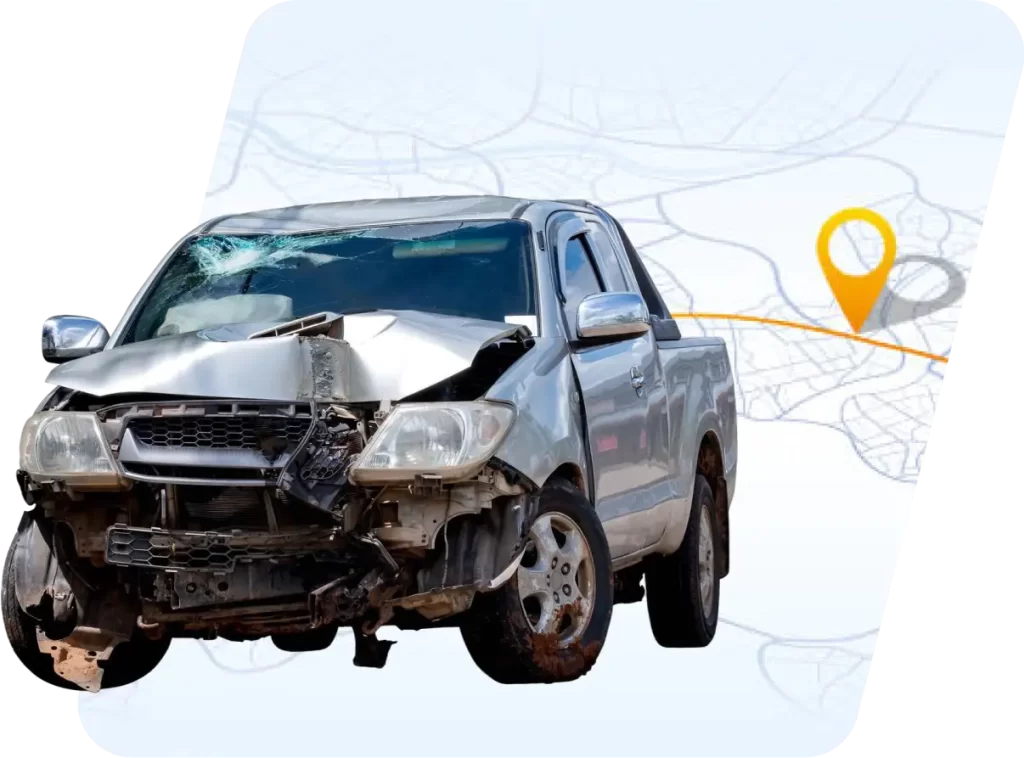
When floodwater enters a vehicle, the damage is rarely apparent at first glance. The car might dry out and even work flawlessly for a time. However, flood exposure below the surface often activates long-term issues, such as mechanical, electrical, and safety issues, which are costly and difficult to fix. Car owners usually find it difficult to repair a flood-affected car, as it becomes a continuous financial burden instead of a one-time solution.
Flood damage is distinct from a vehicle’s everyday wear and tear. Water can reach the engine, braking system, wiring, airbags, and seats within minutes. Even cars that have been slightly submerged or waterlogged can still suffer from corrosion and system failure over time. Therefore, many owners prefer to sell their cars for cash in Melbourne instead of repairing them. But why doesn’t repairing work for flood-affected cars? Let’s check it out in this post.
Why Flood Damage Is Hard to Repair Fully
Modern cars are pretty reliant on electronics these days. When floodwater hits, especially contaminated water, it can damage sensors, control modules, wiring harnesses, and connectors. Those parts might work for a bit after drying out, but months down the line, corrosion and internal short circuits usually take them out.
If water gets into the engine, it can cause rust and dirty the oil. Transmissions and differentials trap moisture, making things fail slowly, even if you change the fluids. Brake systems might rust inside, which is definitely not what you want for performance and safety.
When floodwater gets in, it can soak through carpets, seat foam, insulation, and even door panels. This leads to lingering odours, mould, and hygiene problems that are hard to eliminate. Even with professional cleaning, bringing a flood-damaged interior back to a safe state isn’t always possible.
Insurance and Financial Realities
Sometimes insurers declare flood-affected cars as write-offs because of the repair costs involved, and there’s no certainty that the vehicles will be restored after repair. Regardless of whether an insurance claim is paid, car owners who choose to fix the vehicle and keep it sometimes incur unexpected costs.
If the vehicle is not insured against flood damage, the entire repair burden will be on the owner. Just diagnosing the electrical system’s issues could be very costly, and replacing several modules or entire wiring systems may even exceed the car’s market value.
Safety Risks You Should Not Ignore
Neglecting flood-affected vehicles poses significant safety concerns. Airbag systems, seatbelt pre-tensioners, and advanced driver assistance systems can all fail to work correctly when water has penetrated them. These systems are critical in preventing injury during accidents, and hidden faults may not trigger warning lights immediately.
In fact, flood-affected cars are prone to electrical failures, which can occur while on the road and affect steering, braking, or engine power. Despite cleaning and appearing roadworthy, flood-damaged cars remain unreliable.
Legal and Resale Challenges
Selling a flood-affected car privately can be difficult. In many regions, sellers are legally required to disclose flood damage to potential buyers. Failure to do so can result in disputes or legal consequences.
Even with full disclosure, buyers are often reluctant to purchase flood-damaged vehicles due to the risks involved. This significantly reduces resale value and limits selling options. Dealerships typically refuse trade-ins for flood-affected cars, further narrowing choices.
When Selling Makes More Sense Than Repairing
Selling a flood-affected car is often the most practical option. Here’s why:
- Ensuring full disclosure of flood damage eliminates legal risks and prevents common disputes in private sales.
- Removes buyer hesitation, as cash buyers accept flood-affected vehicles as is.
- Guaranteed acceptance, even when dealerships refuse trade-ins.
- Realistic value, based on salvage and parts, rather than uncertain private resale prices.
- No repair or cleanup costs, saving money on fixes that do not increase value.
- Faster closure, avoiding weeks of advertising and failed negotiations.
Final Words
Flood damage rarely stays limited to what you can see. Over time, hidden electrical faults, corrosion, and safety risks can surface unexpectedly, often when repair costs are highest. Waiting too long can further reduce the vehicle’s value and limit your options. Choosing to sell a flood-affected car for cash sooner allows you to exit before problems escalate, avoid ongoing expenses, and recover value while the car still holds salvage worth.